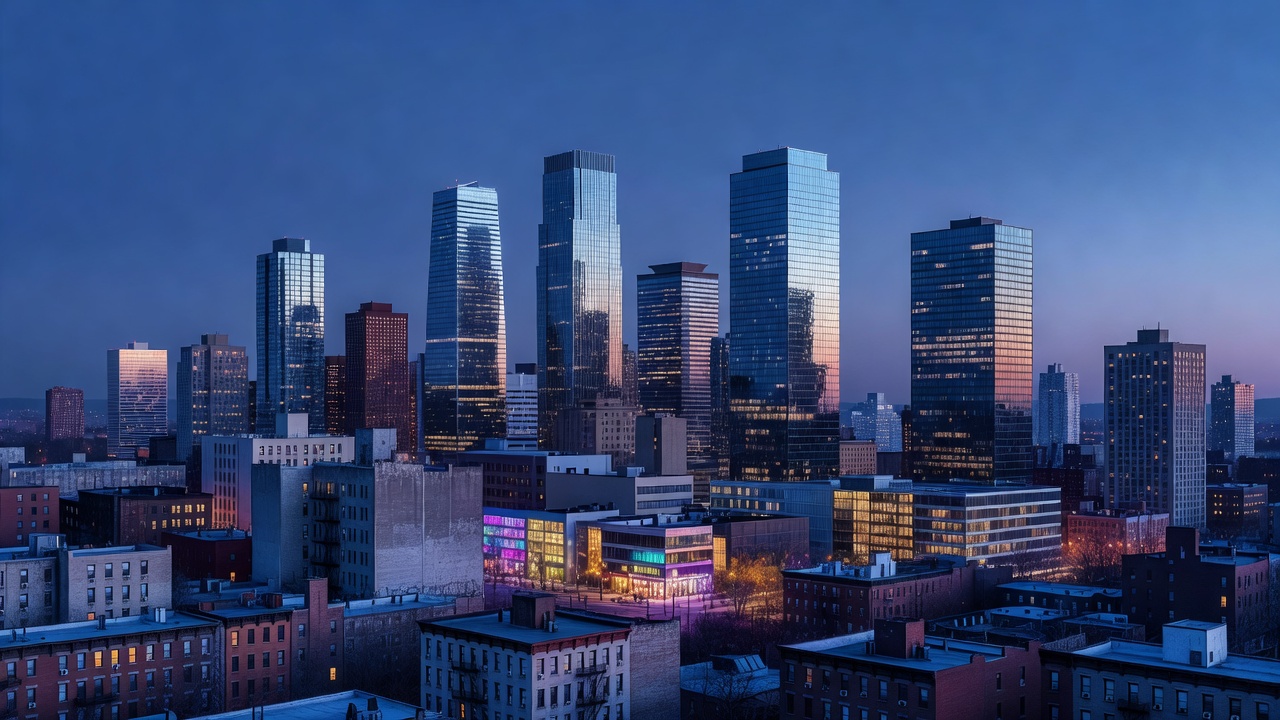
A destination is more than a backdrop. It changes the color and duration of daylight, the character of a view, the sound around a building and the way a guest spends time between excursions. Comparing cities through those conditions is more useful than searching for a universal idea of the perfect penthouse.
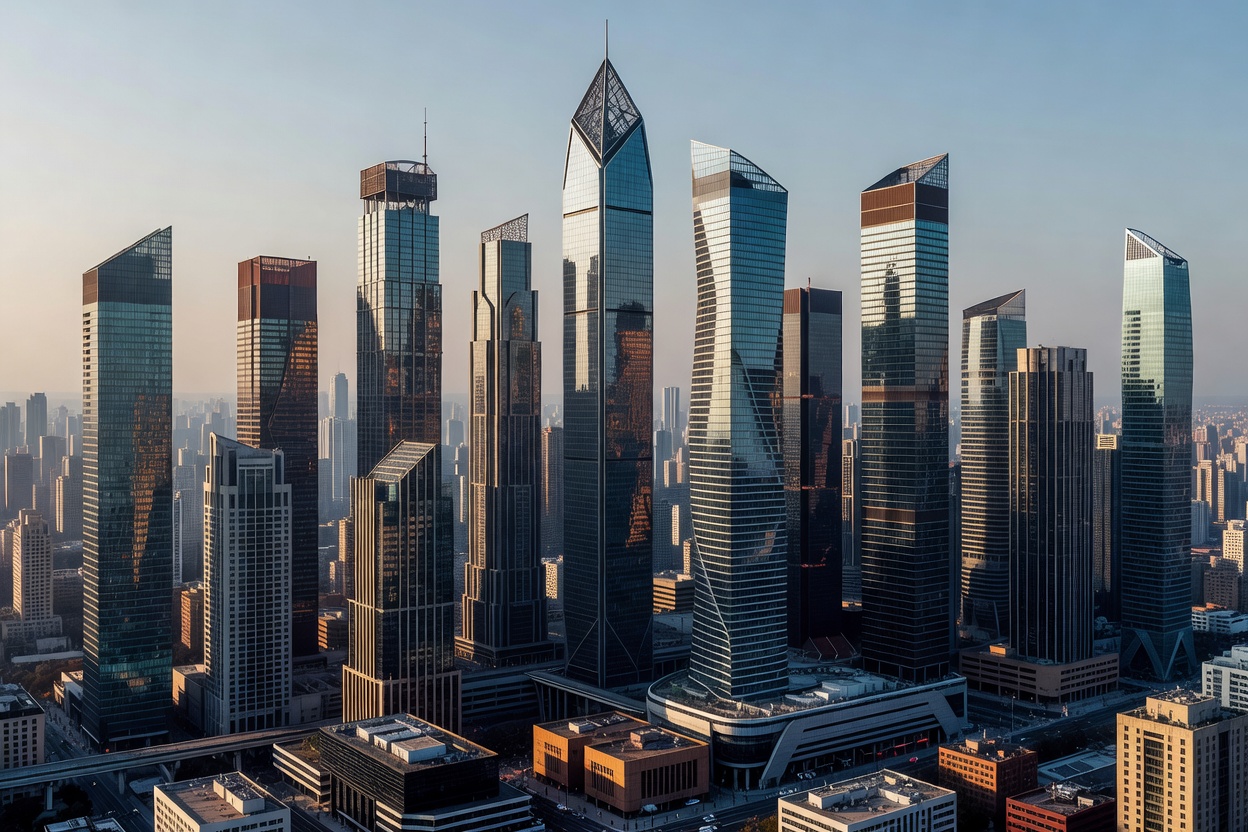
Skyline-oriented cities and business districts
New York's vertical architecture can make height and street geometry especially prominent. In a dense grid, an outlook may be a layered composition of towers, avenues and distant water rather than an open panorama. Room orientation and the neighboring buildings determine which elements appear in view. A business-district stay may offer convenience for meetings and transport connections, but can feel quieter after office hours or busier during commuter periods depending on its location.
Dubai is known for a striking high-rise urban profile, yet the experience varies considerably by neighborhood, building orientation and distance from the waterfront. Heat and strong sun influence when an outdoor terrace is comfortable, while shade, glazing and climate control shape time indoors. Rather than assuming a particular view or terrace, confirm the relevant room details with the property. Seasonal weather should inform plans for outdoor dining and daytime walks.
Singapore's tropical cityscape combines dense urban development with abundant planting and a warm, humid climate. Covered outdoor spaces and well-managed indoor temperatures can be valuable. Rain can arrive quickly, so terrace shelter and room access matter if outdoor space is a priority. The city's transport and cultural districts are spread across varied neighborhoods; location should be weighed against the places a traveler expects to visit, not only the height of a building.
Waterfront, historic and design-led settings
London brings together a historic urban fabric and contemporary towers. A room looking over the river, rooftops or a commercial district will offer a different reading of the city, and the surrounding street pattern can affect noise and access. Weather shifts can make a terrace appealing one moment and impractical the next. Confirm transport routes and expected travel times through current sources because traffic and public transport conditions change.
Paris is often associated with rooflines, balconies and carefully composed streetscapes. Historic buildings and conservation constraints shape the architecture, while contemporary hotels may sit within a very different urban context. A rooftop outlook is not guaranteed by a city or room label; ask what the room category actually faces. Neighborhood character is important: proximity to a museum or dining district can be useful, but central locations may bring more street activity.
Amsterdam's canals and historic buildings create a distinct urban texture, with bridges, water and narrow streets shaping the view. Building form and historic constraints can produce rooms unlike those in a contemporary tower. Copenhagen's design culture and waterfront development offer another architectural lens, while seasonal daylight and wind can influence the use of balconies and terraces. These are general contextual observations, not statements about individual hotels or room features.
Barcelona's Mediterranean light can make outdoor spaces appealing, though summer heat and exposure affect terrace use. Vienna's historic urban fabric can frame a stay through formal streets, cultural institutions and varied building scales. Tokyo's density and diversity mean a skyline might present close-set rooftops, illuminated towers or a quieter residential scene. Across each city, neighborhood is as important as the destination name.
Seasonality, culture and travel planning
Season affects daylight hours, temperature, precipitation and the hours when a terrace is comfortable. In northern cities, winter days are shorter and outdoor use may be limited; in warmer climates, shade and evening air can matter more than midday sun. Weather forecasts are useful close to travel, but a long-range view should be treated as uncertain. Ask whether the hotel has seasonal restrictions on outdoor areas or building works that could influence the stay.
Local culture shapes time beyond the suite. Dining hours, public holidays, event calendars and neighborhood routines can change access and atmosphere. A room near a cultural district may simplify visits, while a quieter residential setting may require more transport planning. Consider accessibility, transit connections, airport routes and the services needed during the visit. Use official destination and transport sources for current schedules and entry guidance.
Research the room category as carefully as the city. Compare layout descriptions, stated occupancy, photographs and the property's current terms. Check whether images are representative, whether a terrace belongs to the specific category and whether views are guaranteed. Ask about adjoining rooms, access needs, noise, climate controls and the possibility of construction. Do not use a destination guide as a substitute for up-to-date booking details.
What to Consider
Choose a neighborhood based on the purpose of the visit, not solely a landmark view. Review transport, cultural access and likely daily routes. Match outdoor expectations to the season and local climate. Confirm the exact room features, current service conditions and policies directly with the hotel. For destination facts that can change—transport, local access, events or travel requirements—consult official and current sources.
Details That Matter
- Neighborhood character and how it fits the purpose of the trip.
- Seasonal daylight, heat, rain, wind and realistic terrace use.
- Transport routes, cultural access and the time needed for daily journeys.
- Room-category information, view orientation and outdoor access confirmed directly.
- Current destination guidance sourced from official channels.
A USEFUL TAKEAWAY
Choose a city setting for the life around the suite as carefully as for the view from it.