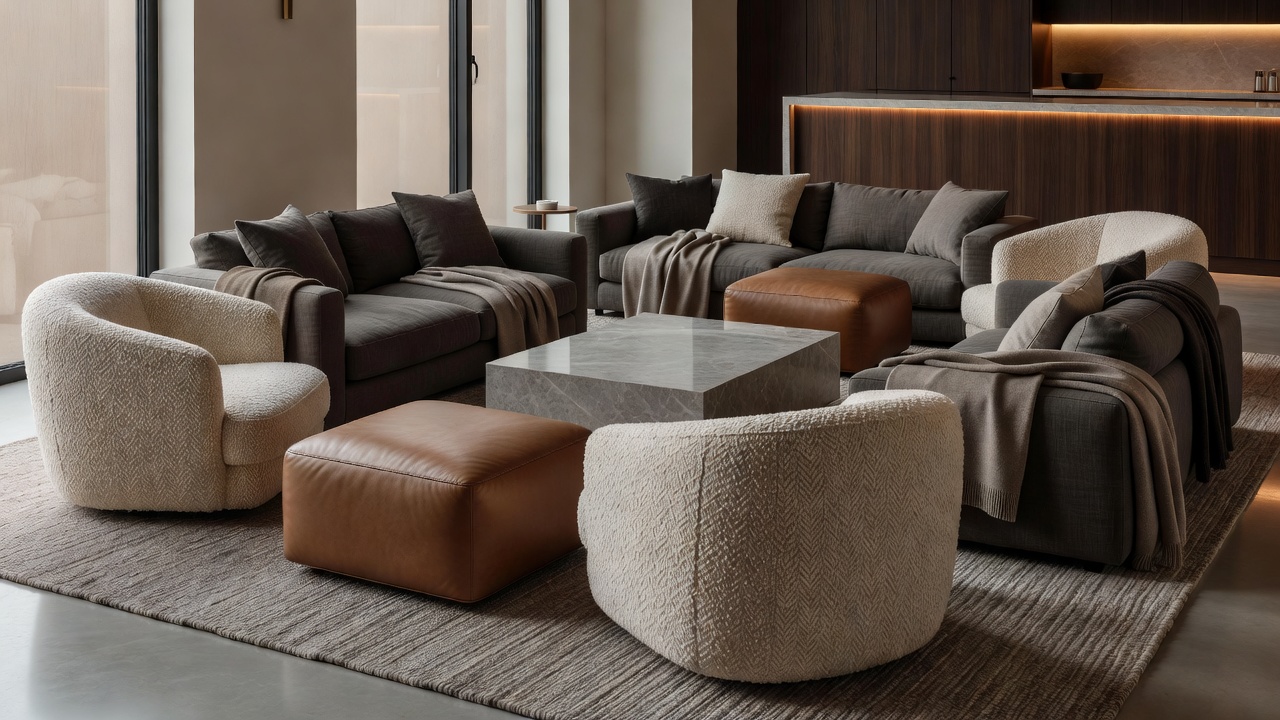
Privacy is not a single feature. It is the combined effect of room placement, acoustic separation, arrival procedures and the way staff coordinate requests. A top-floor room may feel removed from the street yet still sit near a busy lift lobby. A dedicated entrance can be useful where offered, but many suites use the hotel's ordinary arrival route. The details are specific to each property and should be confirmed rather than inferred.
Arrival, access and acoustic separation
Check-in arrangements differ widely. Some hotels welcome all guests in a central lobby; others may offer a separate lounge or a more direct route for certain room categories. Private lift access or a dedicated entrance should never be assumed. Ask what the actual arrival sequence entails, whether luggage is handled separately and where a guest waits if the room is not ready. For guests who value discretion, knowing the process in advance is often more useful than relying on a vague promise of privacy.
Access also has a practical and accessibility dimension. A route may involve steps, thresholds, controlled doors or a particular elevator. Guests with mobility, sensory or other access needs should ask the property to describe the full route from vehicle drop-off to room, rather than only confirming that the suite itself is accessible. Policies and building layouts vary, and a property may need advance notice to coordinate support.
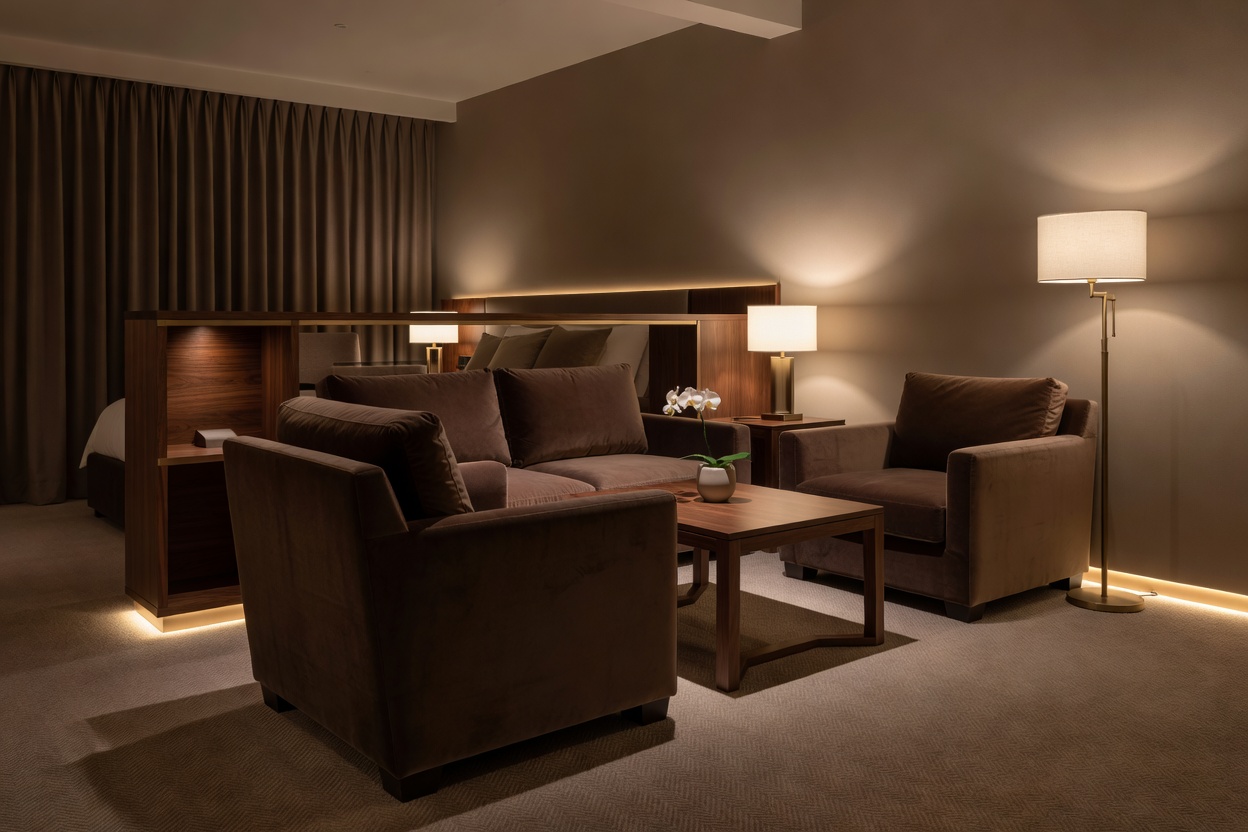
Acoustic separation can be as important as visual seclusion. The position of a room relative to service areas, lift doors, neighboring suites and mechanical equipment can shape the atmosphere. Inside the suite, a closing bedroom door or vestibule provides a useful buffer between rest and activity. Heavy drapery, rugs and upholstered furniture can soften some interior sound, but they do not guarantee isolation from adjacent rooms or street noise. Ask about room location and quiet options if sound sensitivity is a priority.
Service that supports the guest's rhythm
Concierge coordination is most effective when requests are clear and realistic. A concierge may help with restaurant enquiries, transport arrangements and local information, but the final arrangements can depend on availability and third-party policies. Share useful context—timing, dietary needs, accessibility requirements, preferred communication method—while keeping private information to what is necessary. Confirm reservations and transport details directly when timing is critical.
Room service is shaped by the hotel's menu, operating hours, kitchen capacity and delivery procedures. Guests who prefer minimal interruption can ask whether orders can be left at the door or whether a notification can be sent before entry. Housekeeping preferences may include a chosen service time, a request not to enter or arrangements for replenishing selected items. Such preferences are subject to staffing, safety requirements and property policy, so ask how they are recorded and how to change them.
Dining reservations, car services and in-suite work arrangements can be coordinated through a single point of contact at some hotels, while others handle each request through separate teams. A useful question is who will confirm the detail and how updates will be communicated. For a meeting or remote work, ask about a quiet setup, workspace equipment, visitor policies and any limits on access to the room. Avoid assuming that a suite includes a dedicated assistant, personal butler or round-the-clock service.
Discretion includes clear boundaries
Personalized service should be responsive, not intrusive. Guests can explain whether they prefer a knock, a call or a message before staff approach, and can ask how the hotel manages privacy indicators and emergency access. Staff must still follow safety, security and maintenance procedures. A “do not disturb” request is not necessarily an absolute barrier in every circumstance, and the property's policy should explain how urgent issues are handled.
Service boundaries protect both the guest and the operation. Confirm what is included in the room rate, what requires advance booking and whether any service carries a separate charge. Ask about cancellation conditions for transport, dining or wellness arrangements. A helpful hotel should communicate limits clearly rather than presenting every request as guaranteed. When needs change, concise updates reduce missed messages and unnecessary visits.
Privacy also includes discretion with personal information. Share only what staff need to provide the requested support, and use the hotel's official channels for sensitive details. Ask how a request is shared among teams and whether preferences can be removed after the stay. A hotel's privacy practices are governed by its own policy, not by the room category alone.
What to Consider
Before arrival, clarify the check-in route, lift arrangements, room location and how to request quiet service. For essential needs, send a concise written request and ask the hotel to confirm it. Discuss accessibility and communication preferences early. Confirm dining, transport or wellness arrangements, including their conditions, directly with the relevant provider. Do not assume that the words “penthouse” or “private” guarantee separate access or dedicated staff.
Details That Matter
- The route from arrival point to suite, including steps and elevator access.
- Room location, potential noise sources and available privacy controls.
- How room service and housekeeping requests are handled.
- Which service elements are included, subject to availability or separately arranged.
- Clear contact preferences and a practical way to update them.
A USEFUL TAKEAWAY
Privacy feels strongest when expectations are set in advance and the guest remains in control of the pace.