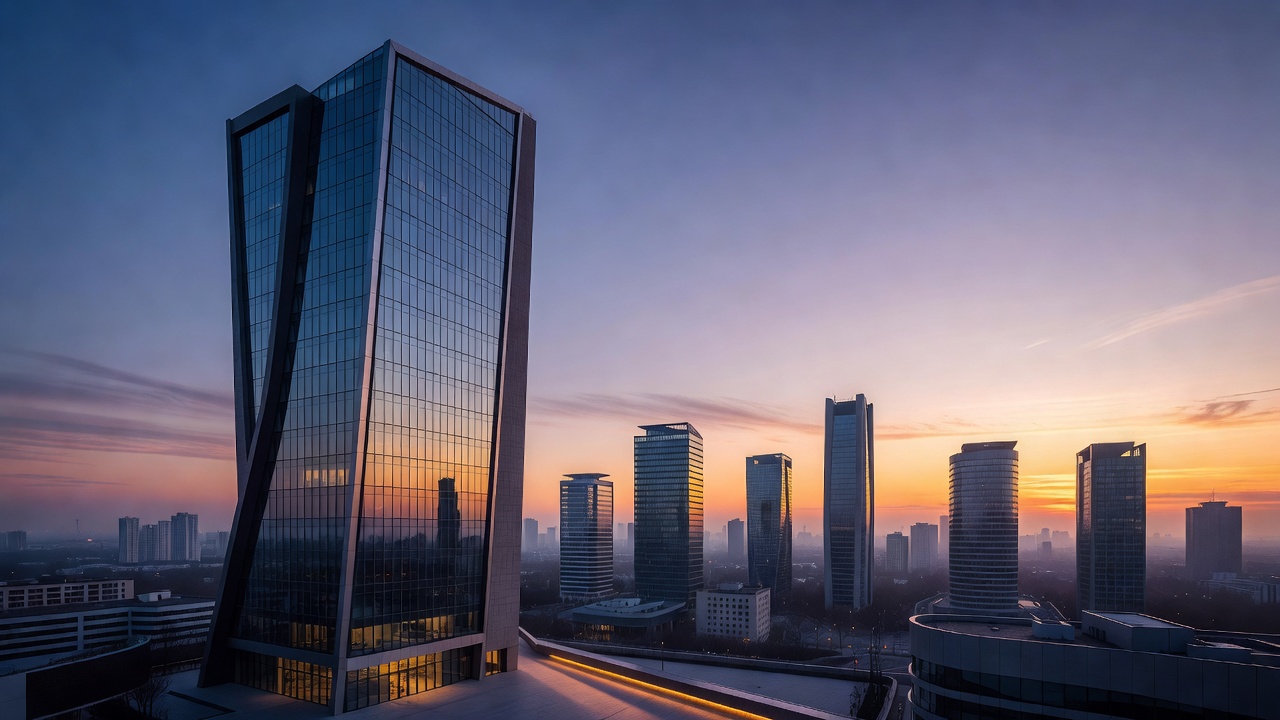
A high floor does not guarantee a memorable outlook. The direction a building faces, neighboring structures, window framing, weather and the way a room is furnished all affect what a guest can actually see and enjoy. The most successful view is not simply wide; it is comfortable to experience from morning through evening.
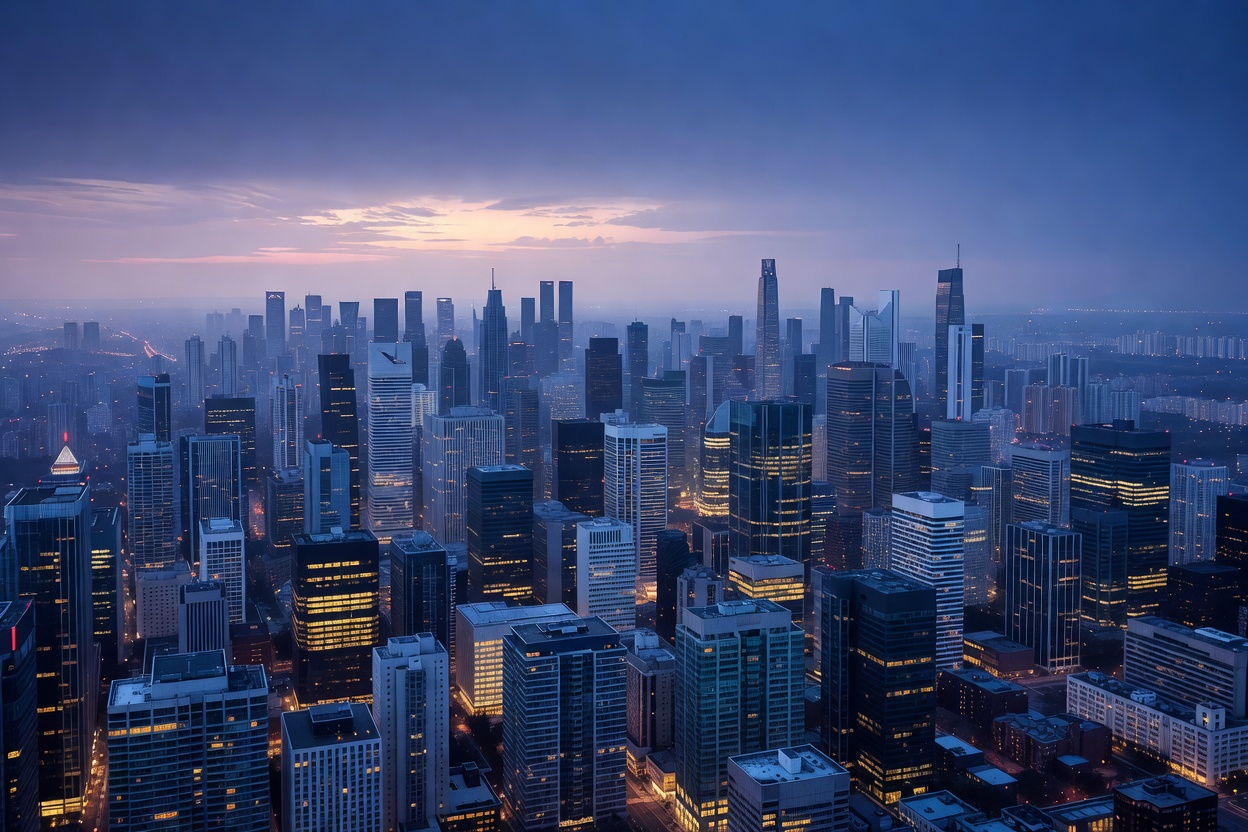
Orientation, glazing and the view corridor
Building orientation sets the pattern of direct sun. East-facing rooms receive stronger morning light; west-facing rooms can catch late sun and warmer evening color. North- and south-facing conditions vary by latitude and season, so a simple compass direction is only a starting point. Ask whether the suite's main windows face the view shown in a property photograph and whether nearby construction could alter the outlook. A photograph cannot establish a guaranteed view from a particular room.
Large panes can make the skyline feel close, especially when the sill is low and seating is positioned toward the glass. A sequence of narrower windows may create a more framed, architectural reading of the city. Floor-to-ceiling glazing can bring in daylight and visually extend a room, yet it also raises practical questions: glare, solar gain, privacy after dark, cleaning and sound insulation. External shading may be limited at height, so effective internal blinds and curtains become important. Reflective coatings and layered glazing can influence color perception and the clarity of the view.
Window area and thermal comfort are connected. Strong sun can heat an interior, while a clear winter night may make a poorly insulated window feel cold. Climate control, operable openings where permitted, shading and well-designed glazing can help balance comfort, but performance differs between buildings. If temperature sensitivity is important, confirm whether guests can adjust room climate independently and whether blinds provide both daylight filtering and blackout.
A terrace should be usable, not merely visible
Terrace size is meaningful only in relation to its shape and access. A deep, well-proportioned terrace can accommodate seating and a small table; a narrow balcony may be better for a brief step outside than extended dining. Consider the threshold, door swing, floor finish and whether indoor seating connects naturally to the outdoor area. A terrace that can be reached only by crossing a bedroom may not suit every group or schedule.
At height, wind exposure is a real design condition. Furniture needs to be appropriate for the setting, and loose objects may need to be secured or removed in adverse weather. Building rules can limit candles, cooking, smoking, planting or use after certain hours. Wind screens, overhead cover and recessed layouts can improve comfort, but they also affect how open the outlook feels. Never assume that photographs show the terrace in ordinary operating conditions or that access is available in every season.
Privacy deserves equal attention. Adjacent towers may look into a terrace, while a parapet can protect seated guests but interrupt a low-level view. Planting can soften hard edges and provide a measure of screening, though planters need suitable drainage and maintenance. Outdoor lighting should be subtle enough to preserve the night view and avoid shining into neighboring rooms. Ask the property about terrace access, operating rules and privacy rather than inferring those details from a room name.
How city character changes the outlook
Waterfront settings often offer broad horizons and shifting reflections, but wind, humidity and weather can make outdoor use variable. Historic city centers bring layered rooflines, domes and landmark silhouettes; protected views, older building forms and narrow streets may mean the panorama is more composed than uninterrupted. Business districts can deliver a dramatic field of towers and nighttime illumination, with construction activity or weekday rhythms shaping the atmosphere. Residential skylines may feel more intimate, but neighboring windows can make sightlines and privacy more complex.
In dense places such as Tokyo or Singapore, a view may be a tapestry of rooftops and buildings rather than a single distant landmark. In cities with strong seasonal change, the same outlook can feel bright and expansive in one month and muted in another. Urban haze, rain, low cloud and daylight hours affect visibility. These are natural variations, not defects, and they make the relationship between interior lighting and outside conditions particularly important.
What to Consider
When researching a room, ask which direction its windows face, whether view photographs are illustrative or room-specific, and whether terrace access is guaranteed for the category being considered. Confirm outdoor operating rules, furniture availability, weather limitations, screening and any safety requirements. For a light-sensitive stay, ask about blackout blinds and glare management. If quiet matters, discuss street exposure and window sound performance with the property.
Details That Matter
- Window orientation and how direct sun changes across the day.
- Shading, climate control and acoustic comfort behind expansive glass.
- Usable terrace depth, seating, shelter and safe access.
- Privacy from nearby buildings and rules for outdoor use.
- Season, weather and the distinction between a view photograph and a room guarantee.
A USEFUL TAKEAWAY
Ask how the view is experienced in the room, not only how it appears in a photograph.