An amenity list can sound impressive while leaving practical questions unanswered. Does the bathroom have a separate shower? Is the desk comfortable for an afternoon of work? Can the room be made dark enough for sleep? A useful review looks beyond the name of a feature to its layout, controls, upkeep and relevance to the guest.
Sleep and bathing, considered together
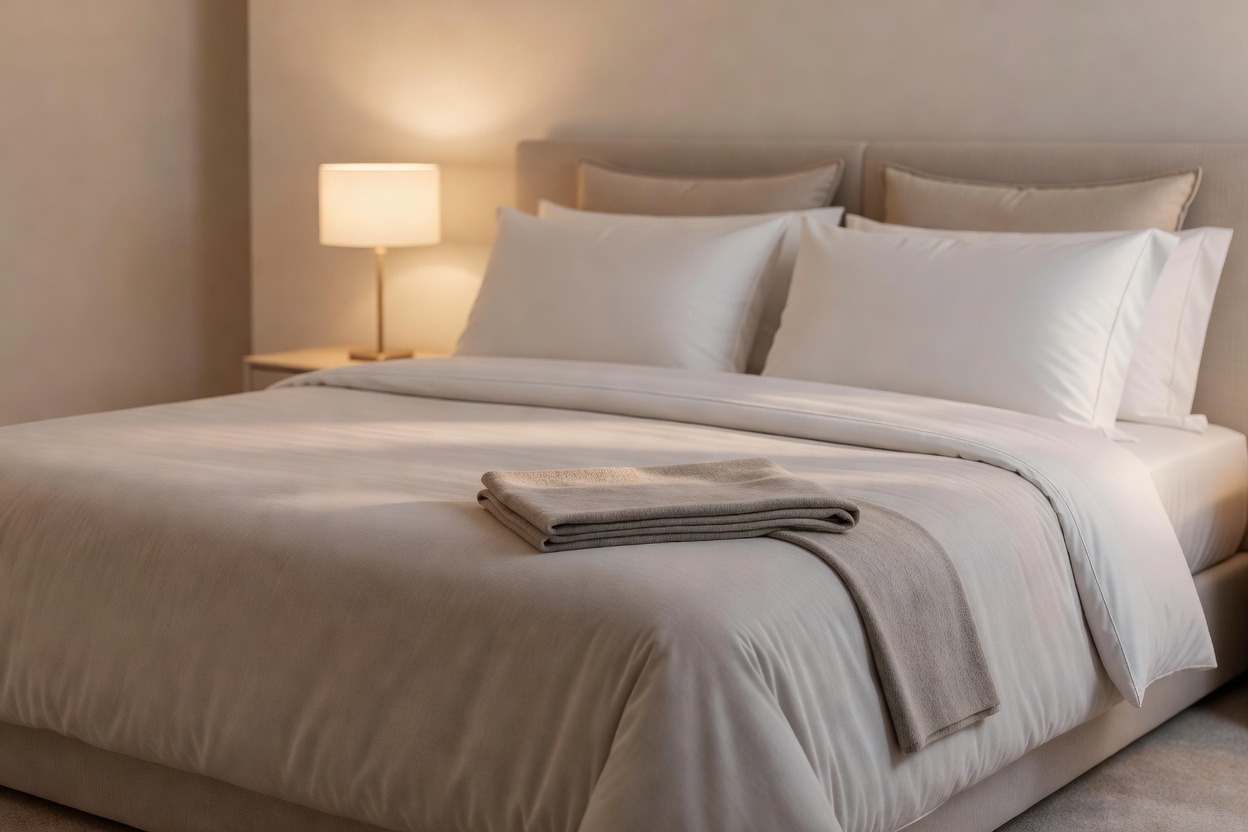
Premium bedding is not a single specification. Mattress firmness, pillow options, linen feel, room temperature and sound all contribute to rest. A well-positioned bed has useful bedside surfaces, convenient reading light and accessible controls. Blackout curtains can be especially valuable in bright city centers, while layered window treatments allow guests to retain privacy without shutting out every trace of daylight. Ask whether pillow choices or bedding adjustments are available rather than assuming a particular set-up.
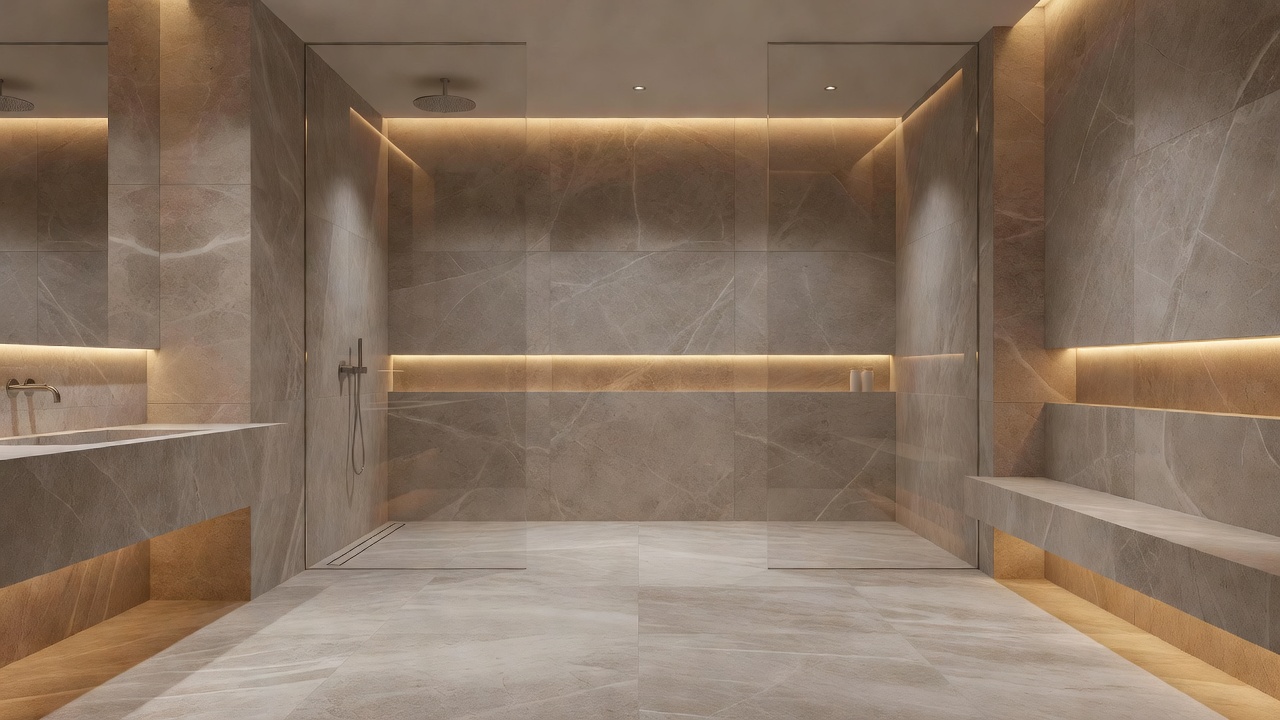
Bathroom planning can make a suite feel generous without wasting space. A walk-in shower benefits from practical drainage, reachable controls and enough room to move without touching glass or fittings. A freestanding bath can be a striking feature when it has comfortable access, privacy and nearby towel storage; in some plans it occupies valuable floor area or leaves little space for a separate shower. Counter space, mirror lighting, outlets and discreet storage often improve daily routines more than decorative stone alone.
Materials should suit regular use. Natural stone, polished metal and timber each have distinct care requirements, and surface treatments influence maintenance. Smooth flooring can become slippery when wet; ask about accessible surfaces and grab rails when relevant. A bathroom's beauty should not compromise straightforward movement, visibility or control of water temperature.
Lounge, dining and work arrangements
A private lounge gives guests a place to read, meet or simply step away from the bed. The furniture arrangement matters: a sofa facing a blank wall is less useful for conversation than a balanced group with a side table and comfortable lighting. If dining in the suite is important, confirm the table size, seating, service options and whether food preparation is supported. A minibar or refreshment station is not the same as a kitchenette, and the distinction should be clear when planning a longer visit.
Workspaces range from a compact desk to a properly separated study area. Check for an appropriate chair, task light, reachable power and a quiet position away from the television or circulation route. Connectivity can be important, but a room description rarely guarantees a particular network performance. For a working stay, it is reasonable to ask the property about Wi-Fi access, wired options if relevant, printer availability and any restrictions on bringing equipment.
Entertainment systems can be useful when they are simple to operate and allow guests to connect their own devices safely. Good controls are part of the amenity: one clear lighting interface and an understandable thermostat reduce friction. If a suite includes multiple rooms, ask whether climate and lighting settings can be controlled independently. The actual arrangement depends on the building and hotel systems.
Wellness without assumptions
Wellness may mean a quiet bath, a comfortable place to stretch, a fitness room elsewhere in the hotel or an in-suite facility. These are not interchangeable. Some properties may offer fitness equipment or treatment services, but availability, access rules and charges can vary. A private plunge pool or sauna should never be assumed from the word “penthouse.” Confirm the feature, its location, operating hours and whether it is included in the relevant room category.
Accessibility is a core part of comfort. Step-free routes, door widths, shower thresholds, reachable controls, seating and visual contrast can differ between room layouts. A premium category does not automatically have the most accessible plan. Guests with specific needs should contact the property before booking and request written confirmation of the room configuration and any supporting services. Ask about elevator access and routes to dining, wellness and outdoor areas as appropriate.
Architectural features are part of the room; hotel services are provided by the operation. A soaking tub is a physical feature, while arranging a massage is a service that may depend on staffing, schedule and separate terms. Distinguishing the two prevents misunderstandings. Amenities also vary by hotel, room category, season, booking conditions and maintenance status. Published descriptions can change, so confirm key requirements directly with the property before travel.
What to Consider
List the features you will actually use. For sleep, ask about blackout, temperature controls and noise-sensitive locations. For bathing, verify shower and tub arrangements, accessibility and privacy. For dining or work, confirm the furniture, equipment, service arrangements and connectivity details. Request clarity on which amenities are in-room, shared elsewhere in the hotel, available on request or subject to an extra charge.
Details That Matter
- Bedside controls, layered lighting, pillow options and effective blackout.
- Bathroom layout, water controls, storage and safe movement.
- Whether lounge, dining and workspace arrangements suit the length of stay.
- Clear distinction between installed room features and hotel services.
- Current confirmation of access, inclusion, hours and any additional conditions.
A USEFUL TAKEAWAY
Choose the amenities that improve your routine, then confirm that the specific room category provides them.